
"historical coffee use"
3000 article(s) found

The Historical Development of Burundian Coffee Bean Industry the Progress of Coffee Farmers and the Story of Excellence Cup
The competition will increase fame for a short time and bring about a new wave and rapid development and progress in the industry. No, in addition to the spiritual impact, there are substantial economic changes. For example, the excellent Cup held in Burundi in 2012 not only changed the fate of award-winning farmers, but also enhanced the status of Burundian coffee in the world. Held for the first time since 1999

Introduction to the Historical Flavor and Flavor of Madriz Madriz Coffee in four Coffee producing areas of Nicaragua
For more information on coffee beans, please follow the coffee workshop (official Wechat account cafe_style) Nicaragua is mainly divided into four major producing areas, namely, Bosnia and Herzegovina (Segovias), Madaguelba / Senodka (Matagalpa/Jinotega), Borgo (Boaco) and Pacific Coast (Pacific). The planting height is the highest in Bosnia and Herzegovina.

Introduction to the Historical Flavor and Flavor of Sinotega Jinotega Coffee in four Coffee producing areas of Nicaragua
Professional coffee knowledge exchange more coffee bean information please pay attention to the coffee workshop (Wechat official account cafe_style) Nicaraguan coffee is not well-known in China in recent years, in addition to the traditional high-altitude typical tree species like beans (Maragogype) and Java tree beans, general coffee lovers seldom mention him, in fact, the growing conditions of Nicaraguan coffee

The method of making Coffee Coffee Historical Geographic Classification
When it comes to Jamaica, everyone's eyes lit up immediately because it produced the best Jamaican Blue Mountain Coffee (Jamaica Blue Mountain) in the world. We absolutely believe that Jamaica Blue Mountain Coffee is the best coffee, its acid, sugar, alcohol and bitterness are well balanced, fragrant and smooth to drink, but its price is too high, although it is worth a try, there is no need to do so.

Introduction to the Historical processing method of Variety planting Information Development in Saint Roman Manor
Professional barista communication please follow coffee workshop (Wechat official account cafe_style) altitude: 1200-1900m harvest: November March Costa Rica San Ruman processing Plant Coffee production area: Tarrazu Coffee Variety: Caturra.Catuai Annual rainfall: 2000 mm grading Standard: SHB Annual average temperature: 19 degrees C treatment: washing raw beans specifications: 17-18 mesh planting altitude

Historical stories, legends and grade characteristics of Kenyan coffee beans
Kenyan coffee the coffee from Kenya has obvious acidity and strong sweetness, with a dry aftertaste. In the best Kenyan coffee, one can find intoxicating blackcurrant flavor and aroma. Kenyan coffee: producers and exporters of Kenyan coffee beans are auctioned every Tuesday in Nairobi during the harvest season. This practice led to the intensity of the best coffee crops.

Historical Story of the Development of Paradise Manor on the Plateau and Coffee Bean species in the Coffee Nayarit Coffee region of Mexico
For more information on coffee beans, please follow the coffee workshop (Wechat official account cafe_style) Mexican coffee is said to have been transplanted to Mexico from the West Indies by a Spaniard in the late 18th century. The excellent Mexican coffee has a comfortable taste, mellow taste, moderate acidity, mild and meticulous, and pleasant aroma. Mexico has 12 major production

The oldest Blue Mountain Coffee Manor in Jamaica-Wallenford Estate Manor Historical Story and Mark
Professional coffee knowledge exchange more coffee bean information please follow the coffee workshop (Wechat official account cafe_style) Coffee story the clear sweet notes of Jamaica's Blue Mountains, taste as mellow as wine, has always been a favorite of Japanese coffee lovers. Its rare output is the representative of fine coffee, and it is also one of the most expensive coffee in the world. But not all coffee produced in Jamaica can be crowned.

Yemeni Coffee rise and fall History of Yemeni Coffee Historical Development of Yemeni Coffee quality and Taste of Yemeni Moka
Professional coffee knowledge exchange more coffee bean information Please follow the coffee workshop (official Wechat account cafe_style) although the trend of boutique is the revival of "technology replacing machinery", the market is still inseparable from the supply and demand.

The planting situation of Fine Coffee in Spring Manor in Colombia Historical Variety Market Environment Climate Sea
Arabica species (scientific name Coffee Arabica) have to be mentioned in Colombian coffee species. Arabica coffee trees grow between 900m and 2000 m above sea level; they are hardy, and the suitable growth temperature is 1524 ℃; they need more humidity, and the annual rainfall is not less than 1500 ml. At the same time, they also require higher cultivation techniques and conditions. So now you can understand.

Historical and cultural stories of Colombian coffee beans there are several differences between Colombian coffee producing areas
For more information on coffee beans, please follow the Coffee Workshop (Wechat official account cafe_style). The story of Colombia reviews the history of coffee in Colombia. Coffee was probably introduced by Venezuela, probably dating back to 1730. The oldest reference on coffee was written by the Reverend Joseph Gumilla in his book El Orino.

Japanese Coffee Culture and Historical knowledge of Fine Coffee Culture
The first coffee spread to Japan was Nagasaki in the Yuanlu period. And people officially accepted it from the Meiji era. Now let's take a look at the coffee history of Japan. At first, the Japanese were not used to the coffee shop opening one after another in Western Europe, when the literature and art of coffee culture were in full bloom, while Japan was in the strict lock-up policy of the Edo era.

The Historical characteristics of Mocha Coffee
The history of mocha coffee more than 100 years ago, the transportation industry of the whole Central and East African coffee country was not prosperous at that time. Yemeni mocha was a major export port near the Red Sea at that time. Most of the coffee produced in Africa was first transported to the Yemeni port of Mocha and then exported to Europe. Today, a hundred years later, African coffee countries have gradually developed their own export ports.

Introduction to the handling of coffee beans in Yemen, the source of the historical story of coffee in Yemen
Professional coffee knowledge exchange more coffee bean information please follow Coffee Workshop (Wechat official account cafe_style) 01 | brief introduction of producing areas * History of Yemen * Yemen is famous for its frankincense or spice trade and is the origin of the earliest coffee mocha in the world. If you follow before, this is also the place where Noah built the ark in the Bible. Legend has it that 3000 years ago, with gold and spices,

A Historical Story letter from Helsar de Zarcero Yersalo Manor, Orange County, Naranjo, Costa Rica
Professional coffee knowledge exchange more coffee bean information please follow the coffee workshop (Wechat official account cafe_style) Costa Rica's famous Helsar de Zarcero processing plant, established in 2004, has been repeatedly recognized by cup of excellence, is a world-renowned processing plant. Operator Seor Prez Barrantes is in the west.

Is the old building really suitable to be a cafe?
The old building has history, story and sentiment, but at the same time it is also an extremely fragile old man who needs to be taken care of very carefully. In coffee-loving Italy, ancient buildings are protected by one word: love. Friends who have been there told me that many ancient buildings have guardianship teachers who are responsible for monitoring and educating them so that they can play a role. The Italian government will pass the qualification appraisal.
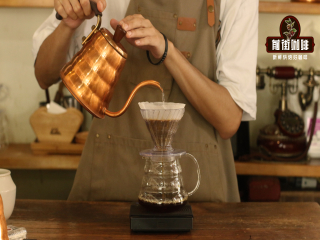
The historical origin of hand-brewed coffee who invented the use of coffee cup filter paper?
As a coffee brewing method that is popular all over the world, hand brewing has become an extraction method used by more and more people to explore the aroma of coffee. Almost every coffee fan has a set of hand brewing equipment in their home. Whenever I have free time, I will choose one of my favorite coffee and pour it into a pot. Weighing coffee beans, grinding, folding filter paper, wet

Introduction to the flavor characteristics of the historical story of Volcan Volcano Coffee cultivation in the four major coffee producing areas of Panama
Professional coffee knowledge exchange more coffee bean information please follow the coffee workshop (Wechat official account cafe_style) Panama's four major coffee producing areas: Panamanian coffee producing areas are concentrated in Chiriqu (Boquete) region, fertile volcanic soil and microclimate are important factors that make Panamanian coffee so unique, where coffee feels smooth and full of particles

Historical story flavor characteristics of Mattari Matali / Matali coffee cultivation in Yemeni coffee producing area
Professional coffee knowledge exchange more information about coffee beans Please follow the coffee workshop (Wechat official account cafe_style) Matari Yemen is located in West Asia, just one step away from the African continent. Without the promotion of Islamic priests in the Arabian Peninsula, coffee might still be a wild plant in Ethiopia. Legend has it that coffee was handed down in Ethiopia in the sixth century.

Historical Flavor characteristics of Santa Clara Santa Clara Coffee in four Coffee producing areas of Panama
Professional coffee knowledge exchange more information about coffee beans Please follow the coffee workshop (Wechat official account cafe_style) Coffee was introduced to Panama in 1780 and was introduced into the first Typica tree species by Europeans. After that, this mysterious and strange drink conquered the senses of Panamanians, and the local people began to grow it widely. Panamanian coffee is smooth and full-grained.